Live Virtual Classrooms: What They Are & How to Run One
What a live virtual classroom actually is, how it differs from asynchronous learning, and the basics of running one well.
TL;DR
- A live virtual classroom is real-time, instructor-led online teaching, distinct from both pre-recorded asynchronous courses and one-way webinars.
- The core difference is interaction: students and teachers see, hear, and respond to each other in the moment, the same way a physical classroom works.
- A 2026 study of 795 undergraduates found synchronous and asynchronous formats produce genuinely different student experiences, not just a difference in convenience.
- Running one well starts with the basics: reliable video and audio, a clear session structure, and simple ways for students to participate.
- For deeper management tactics once you're running classes regularly, see our full guide to virtual classroom management strategies.
"Virtual classroom" gets used loosely, sometimes for a live class, sometimes for a self-paced course with pre-recorded videos. The two aren't the same thing, and confusing them is why some teachers pick the wrong format for what they're actually trying to do.
A live virtual classroom means real-time, instructor-led teaching: students log in at a set time and interact directly with a teacher and each other.
Researchers Moon and Shin surveyed 795 undergraduates in a 2026 PLOS One study and found synchronous and asynchronous formats genuinely differ in student experience, not just scheduling convenience.
This guide covers what a live virtual classroom actually is, who uses one, and the basics of running one well.
What Is a Live Virtual Classroom? (Live vs. Asynchronous vs. Webinars)
A live virtual classroom is a real-time, instructor-led session where students and teachers interact directly, through video, audio, chat, and shared tools like a whiteboard. Class happens at a set time, and everyone's present together, even though they're not in the same room.
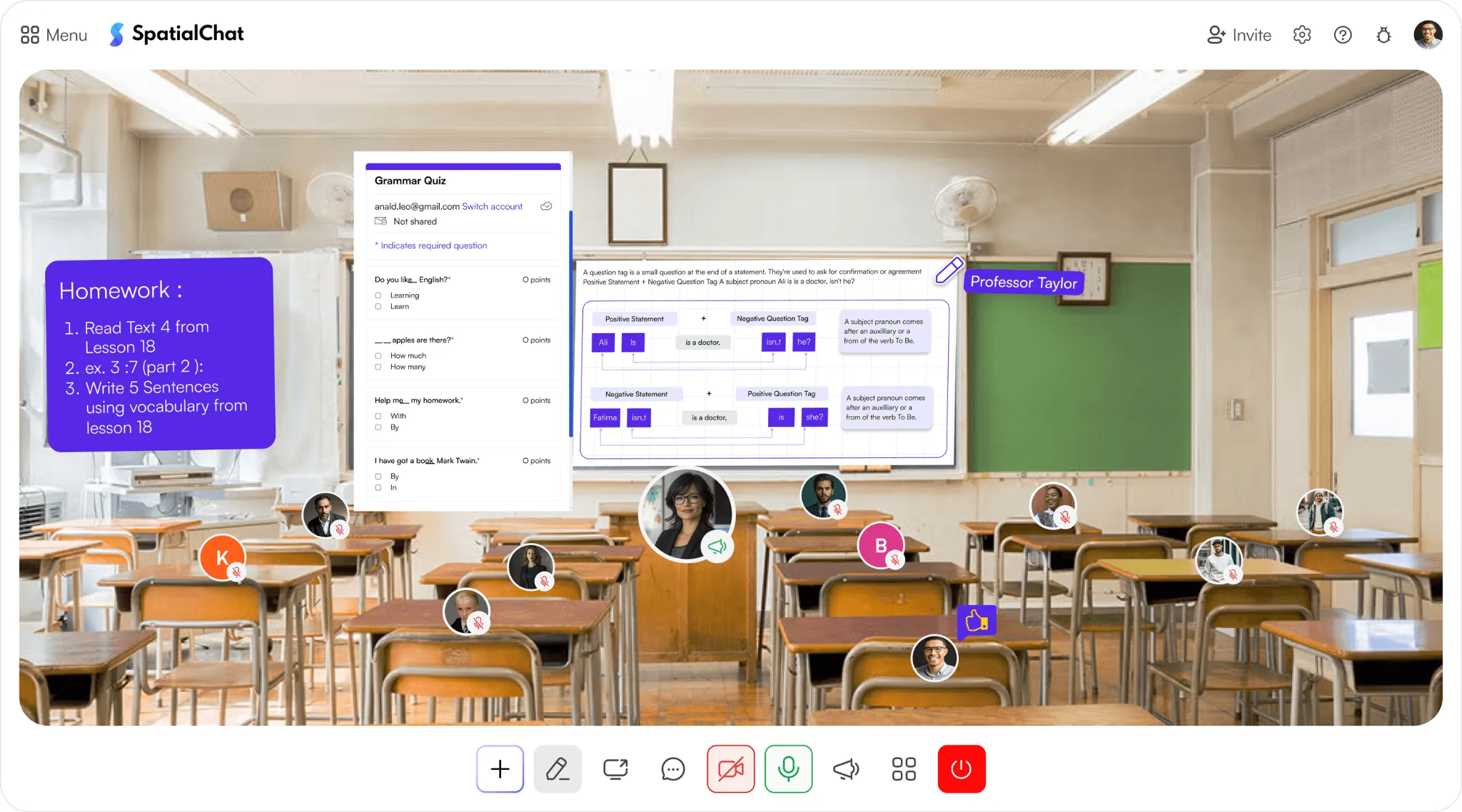
That's different from the other two formats it often gets confused with:
- Asynchronous learning: Pre-recorded videos or self-paced modules students work through on their own schedule, with no real-time interaction required.
- Webinars: One-way broadcasts where a presenter talks and an audience mostly watches, with interaction limited to text questions at the end.
A live virtual classroom sits between these two: it has the real-time presence of a webinar, but the two-way interaction, discussion, and group work of an actual class.
How a Live Virtual Classroom Actually Works
At a basic level, a live virtual classroom needs a handful of components working together:
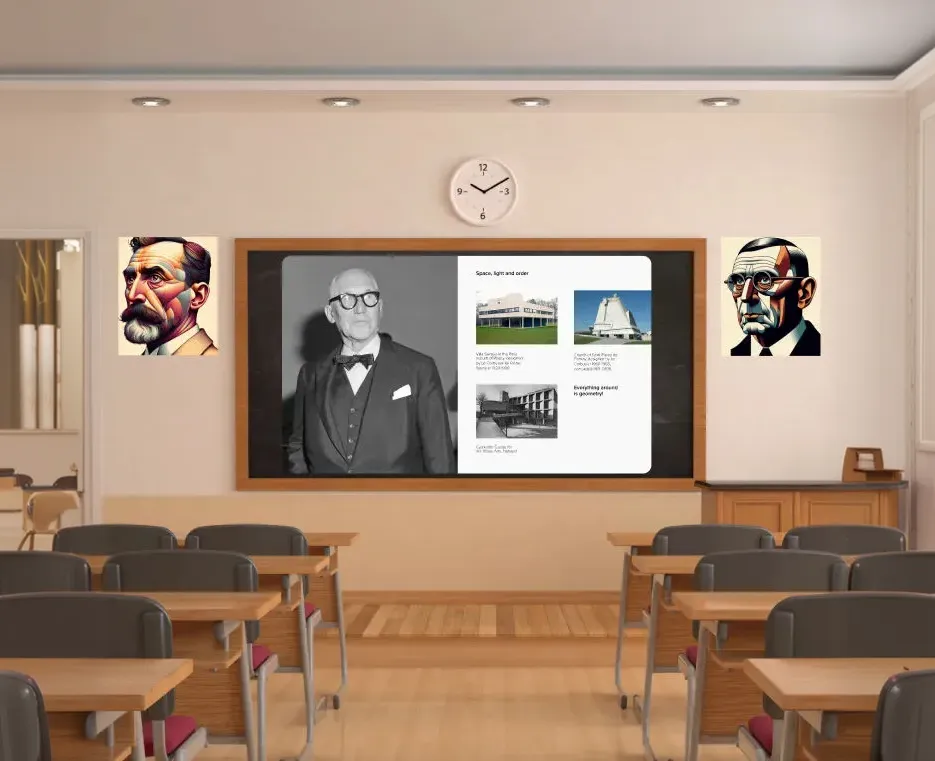
- Live video and audio so the teacher and students can see and hear each other
- A shared screen or whiteboard for presenting material
- A chat function for questions and quick responses
- Breakout capability for small-group discussion or activities
- A way for the teacher to see who's actually present and participating
None of this requires expensive equipment. Most live virtual classrooms run on a laptop, a decent internet connection, and a platform built for teaching rather than generic video calls.
Who Uses Live Virtual Classrooms
Live virtual classrooms show up across several different settings, each with slightly different needs:
- K-12 schools, especially for supplemental instruction, credit recovery, or districts facing teacher shortages
- Higher education, for courses that want the discussion and engagement of an in-person seminar without the commute
- Corporate training, where live instruction and Q&A beat a static training video
- Tutoring and test prep, where one-on-one or small-group live interaction is the whole point
The common thread is that all four need real-time interaction, not just content delivery. If content delivery alone were enough, a recorded video would do the job.
A one-off guest lecture or school-wide assembly starts to look more like a virtual event than a classroom, worth keeping in mind when picking a tool.
Benefits of Teaching Live Instead of Asynchronously
Live delivery isn't automatically better than asynchronous, but it solves specific problems asynchronous formats can't:
- Immediate feedback: a confused student can ask a question right then, instead of emailing and waiting for a reply.
- Real accountability: showing up at a set time creates structure that self-paced formats often lack.
- Genuine discussion: students respond to each other in the moment, not through delayed forum posts.
- Addressing staffing gaps: certified teachers can reach students in districts facing shortages, without requiring physical relocation.
The tradeoff is flexibility. Asynchronous formats let students learn on their own schedule, which live classrooms fundamentally can't offer.
How to Run a Live Virtual Classroom, Step by Step
The basics of running a live virtual classroom well come down to a few habits:
- Set expectations before the first session. Share a short norms document covering camera policy, how to ask questions, and what to do if something goes wrong technically.
- Structure the session in blocks. Break class into shorter segments, lecture, discussion, activity, rather than one long uninterrupted talk.
- Build in participation points. A poll, a quick chat question, or a partner discussion every 10-15 minutes keeps students actually present, not just logged in.
- Record the session. Live doesn't mean live-only; a recording lets students who missed it catch up.
- Check in on who's actually there. Attendance and participation data matter more online, where disengagement is easy to miss.
This covers the basics. For a deeper breakdown of managing group sizes, handling disruptive behavior, and choosing the right tools, our guide to virtual classroom management strategies goes further into the tactics.
Common Challenges of Live Virtual Classrooms
A few challenges come up repeatedly for teachers new to live virtual instruction:
- Technical issues interrupting the flow of a session, from connection drops to unfamiliar software
- Keeping attention across a screen instead of a physical room, where distraction is one tab away
- Time zone conflicts for distributed classes spanning multiple regions
- Uneven participation, where a few students dominate while others stay silent
None of these are unique to live teaching, but they show up faster online than they would in person. Setting up your first virtual classroom walks through the practical setup that helps avoid most of these from the start.
How SpatialChat Supports Live Virtual Classrooms
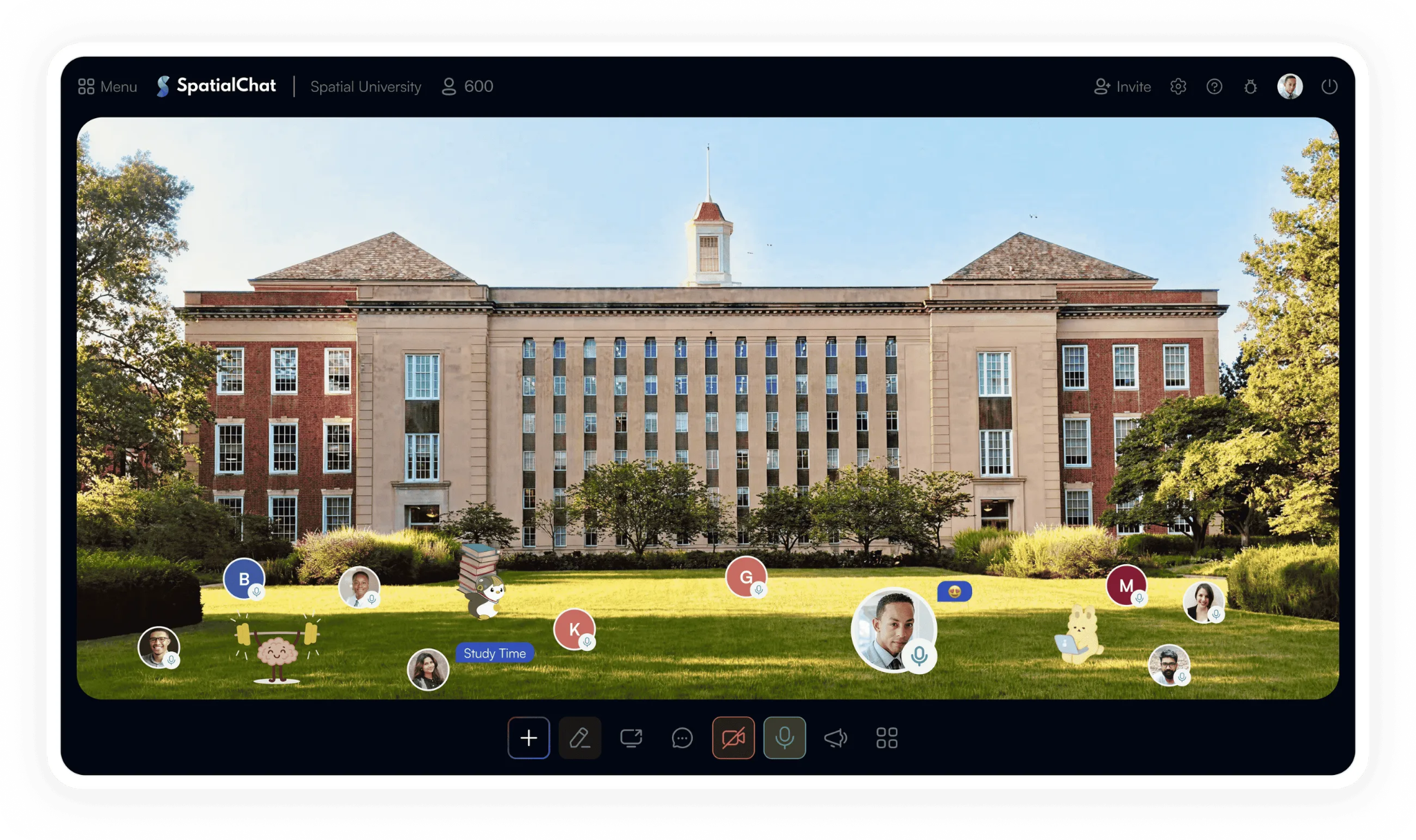
SpatialChat is built specifically for live, interactive teaching rather than static video calls. Students move between a main room and breakout areas, with proximity audio that lets small groups talk naturally without a formal breakout assignment.
For classes wanting more flexibility than a single format, following Purdue's approach to HyFlex shows how live, in-person, and asynchronous participation can coexist in one course.
Cleber Morais, a professor at the Federal University of Pernambuco, saw attendance and participation rise after switching to interactive tools; read the full story for details.
Try SpatialChat's online classroom platform free to see how a live virtual classroom feels when it's built for teaching.
For the fuller picture, see our complete guide to virtual classroom best practices and SpatialChat's pricing.
Conclusion
A live virtual classroom is a specific format, real-time and instructor-led, not a catch-all term for any kind of online learning.
Knowing the difference matters before you pick a platform or plan a lesson, since a webinar tool and an asynchronous course platform solve different problems entirely.
Start with the basics covered here, and build from there once live classes become a regular part of how you teach.
FAQ
What's the difference between a live virtual classroom and a webinar?
A webinar is a one-way broadcast where a presenter talks and the audience mostly watches, with limited interaction. A live virtual classroom is two-way: students and teachers interact directly through discussion, breakout groups, and real-time feedback.
Do live virtual classrooms work for young children?
Yes, though sessions typically run shorter, often 20-30 minutes, with more frequent breaks and interactive elements. Younger students generally need more structure and adult supervision to stay engaged than older students do.
Can a live virtual classroom be recorded for students who miss it?
Yes, most platforms support recording, and it's common practice to record every live session. This gives absent students a way to catch up without losing the real-time benefits for everyone who attended live.
How is a live virtual classroom different from a regular video call?
A video call is generic, built for any conversation. A live virtual classroom is purpose-built for teaching, with features like breakout rooms, attendance tracking, and embedded educational tools that a standard call doesn't need.
What equipment do I need to run a live virtual classroom?
A laptop or desktop with a webcam, a stable internet connection, and a platform built for live teaching cover the basics. Additional equipment like a document camera or a second monitor helps but isn't required to get started.
How long should a live virtual classroom session run?
It depends on the age group and subject, but 45-60 minutes works for most secondary and higher-education sessions, broken into shorter segments. Younger students typically need shorter sessions, closer to 20-30 minutes.
Can live virtual classrooms be combined with asynchronous content?
Yes, and many effective courses do exactly this, using live sessions for discussion and asynchronous materials for content delivery. This blended approach captures real-time engagement while giving students flexibility on the rest of the material.
Is a live virtual classroom the same as distance learning?
Not exactly. Distance learning is a broader category that includes both synchronous (live) and asynchronous formats. A live virtual classroom is specifically the synchronous version of distance learning.
What's the biggest mistake teachers make when starting live virtual classes?
Treating it like an in-person lecture translated directly online, without adjusting for shorter attention spans and the lack of physical presence cues. Building in regular interaction points from the start prevents most engagement problems before they happen.
Do live virtual classrooms work well for corporate training?
Yes, particularly for training that benefits from real-time Q&A and discussion rather than passive content consumption. Live sessions work especially well for onboarding, compliance training with complex scenarios, and skills practice.